Suitable

What exactly is organic cotton?
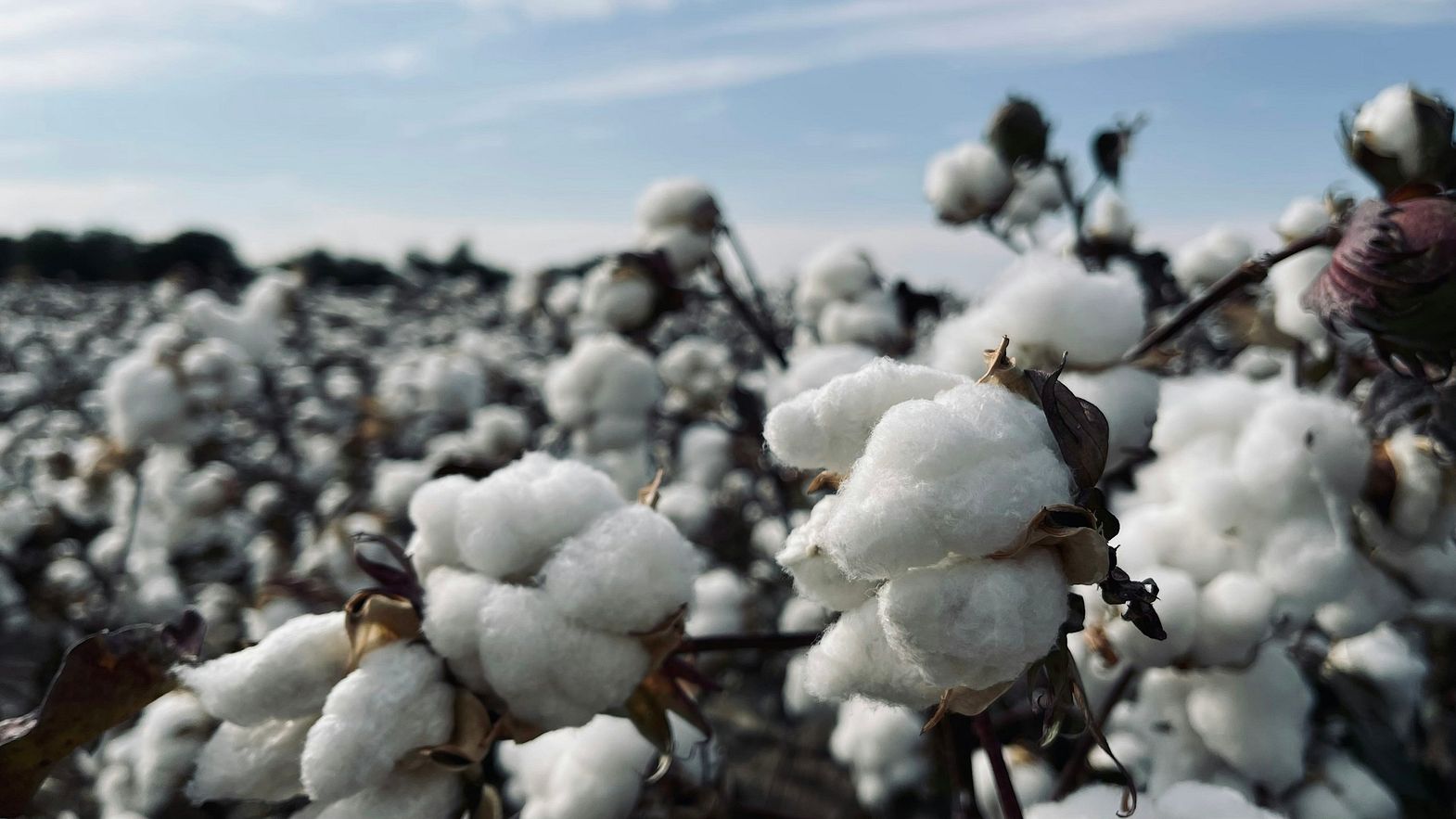
Organic cotton, sometimes also called biological cotton, is not treated with harmful herbicides and pesticides. The cotton is also grown in as natural a way as possible. In practice, this means that no artificial fertiliser has been used. Instead, they keep the soil healthy with, among other things, crop rotation (a different crop each year). They also use less water and energy. This is not only beneficial for the environment, but also for the cotton farmers and animals. The cotton plant is also not genetically modified in any way.
Is organic cotton sustainable?
Organic cotton is more environmentally friendly than traditional cotton cultivation on certain points. Yet it remains an intensive form of agriculture. This is because the cotton plant itself needs a lot of water to thrive. In addition, more land is needed to achieve a good yield each year. Organic cotton is also more vulnerable to diseases and pests. The label "organic" says nothing about the further processing of the cotton. Some textile factories still use toxic chemicals and dyes. The same applies to other sustainable alternatives such as bamboo, linen and wool.
Is organic cotton fair?
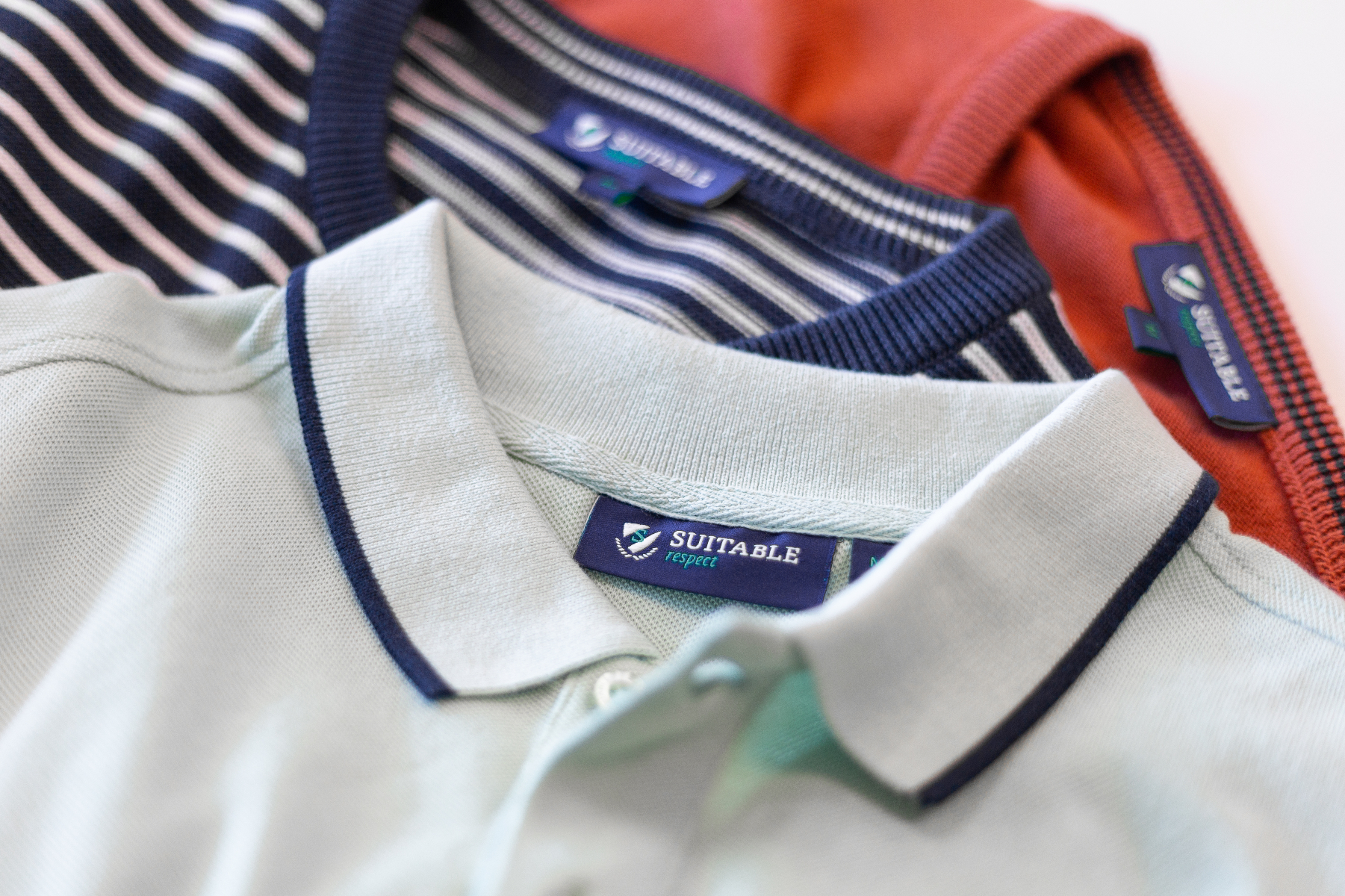
This isn't automatically the case. The cotton is grown in an organic way, but that's no indication of the compensation for the cotton farmers and the working conditions of the textile workers. In addition, organic cotton is not the same as the absence of child slavery. In general, clothing brands want to sell not only a better environment but also ethically responsible clothing. If you're still in doubt, you can look at the Fairtrade certification or the label of the Fair Wear Foundation (FWF). For the Suitable label, we only work with responsible producers.
How do I recognise organic cotton?
You can't see any difference between traditional cotton and organic cotton with the naked eye. Organic cotton doesn't feel any different either. There are brands that take advantage of this by wrongly calling themselves ecologically responsible, also known as greenwashing. Do you want to be sure you're really buying sustainable cotton? Then look for an independent certification or certificate. One of the best-known and strictest is the Global Organic Textile Standard (GOTS). Clothing with this certification consists of at least 70% organic cotton. In addition, there are other parties that focus on a sustainable production chain. Think of the Better Cotton Initiative (BCI) and Oeko-Tex.
Is organic cotton worth it?
This is a personal question that only you can answer. Organic cotton is a step closer to a production chain with less impact on the environment. In addition, more and more initiatives and clothing brands are emerging by the day that focus exclusively on manufacturing clothing in a fully environmentally friendly way. From cotton fibre to delivery, everything is carried out as organically and fairly as possible. Ultimately, the consumer holds the power; the greater the demand for organic cotton, the more producers are forced to work in a more environmentally friendly way. Stay critical and send a signal with your wallet.